
BranBoos Technologies

In the world of marketing, digital platforms are creating new ways for brands to connect with their customers. In the year 2024, the involvement of customers in the digital universe, especially in marketing, is crucial. This interaction plays a vital role in regenerating marketing efforts and engaging customers effectively. To keep up with the tech-savvy digital audience, marketers need to use innovative strategies and tools to establish strong connections with customers and drive business growth.

Marketing leaders are investing heavily in artificial intelligence (AI) and machine learning (ML) technologies to boost growth and enhance engagement in 2024. These advanced tools help marketers understand customer behaviours and preferences better, enabling them to offer more personalized and targeted experiences. AI and ML empower marketers to optimize their campaigns by adjusting them, tailoring the message, and refining their target audience through a more precise approach.
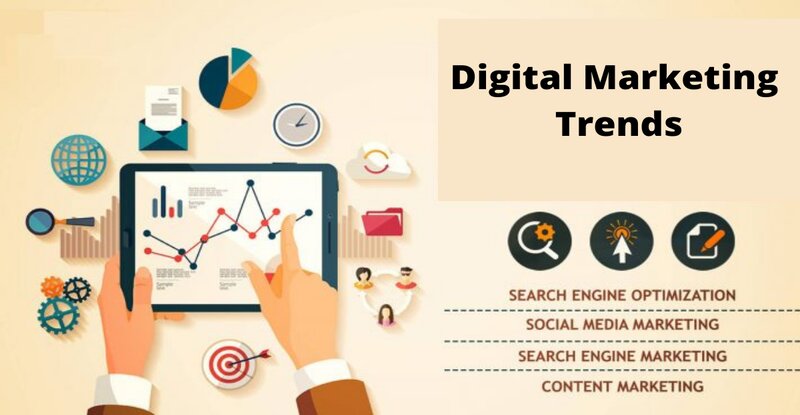
In 2024, immersive technologies like augmented reality (AR) and virtual reality (VR) will revolutionize how brands engage with customers in real life. The use of AR and VR applications across marketing platforms is expected to increase significantly in 2024, including detailed product showcases and complete virtual shopping experiences. What sets apart marketing campaigns using VR technology is their ability to not only capture people's attention but also make them feel engaged in a way that traditional methods cannot achieve.

In 2024, brands will use immersive technologies like augmented reality (AR) and virtual reality (VR) to interact with consumers in person. The use of AR and VR in marketing is expected to increase significantly, offering detailed product

Additionally, AI, ML, and immersive technologies are part of a comprehensive toolkit used by marketers for advanced data analysis and predictive modelling. By leveraging cutting-edge analytics platforms, marketers can easily gather qualitative data from large datasets, identify important market shifts, and accurately predict future demand. This data-driven approach empowers marketers to make informed decisions and implement adaptable strategies. They can also provide tailored content that aligns with the audience's interests and keeps up with their ever-changing needs.

presentations and virtual shopping experiences. One notable advantage of using VR technology in marketing campaigns is that it not only grabs people's attention but also makes them feel involved in a way that traditional methods cannot.

On the other hand, social commerce will bring significant changes to the digital marketing landscape in 2024. With social media platforms becoming influential e-commerce hubs, marketers now can coexist with e-commerce in the virtual world. By utilizing shoppable posts, live shopping events, and partnerships with influencers, brands can create a high-quality shopping experience that translates into increased sales and brand loyalty within the social media ecosystem.

In conclusion, authenticity and transparency will be crucial in digital marketing. Marketers who prioritize these values will successfully connect with their audience and build trust. 2024 presents numerous opportunities for marketers to enhance customer loyalty through AI, ML, immersive technologies, data analytics, social commerce, and genuine communication. By embracing these advancements, businesses can create engaging experiences that drive conversions and ensure success in the digital era. The future of marketing lies in digital strategies, offering endless possibilities for growth and innovation.